
- Education Topics
- Achievement Gap
- Alternative Education
- American Education Awards
- Assessment & Evaluation
- Education during COVID-19
- Education Economics
- Education Environment
- Education in the United States during COVID-19
- Education Issues
- Education Policy
- Education Psychology
- Education Scandals and Controversies
- Education Reform
- Education Theory
- Education Worldwide
- Educational Leadership
- Educational Philosophy
- Educational Research
- Educational Technology
- Federal Education Legislation
- Higher Education Worldwide
- Homeless Education
- Homeschooling in the United States
- Migrant Education
- Neglected/Deliquent Students
- Pedagogy
- Sociology of Education
- Special Needs
- National Directories
- After School Programs
- Alternative Schools
- The Arts
- At-Risk Students
- Camps
- Camp Services
- Colleges & Universities
- Counties
- Driving Schools
- Educational Businesses
- Financial Aid
- Higher Education
- International Programs
- Jewish Community Centers
- K-12 Schools
- Language Studies
- Libraries
- Organizations
- Preschools
- Professional Development
- Prom Services
- School Assemblies
- School Districts
- School Field Trips
- School Health
- School Supplies
- School Travel
- School Vendors
- Schools Worldwide
- Special Education
- Special Needs
- Study Abroad
- Teaching Abroad
- Volunteer Programs
- Youth Sports
- For Schools
- Academic Standards
- Assembly Programs
- Blue Ribbon Schools Program
- Educational Accreditation
- Educational Television Channels
- Education in the United States
- History of Education in the United States
- Reading Education in the U.S.
- School Grades
- School Meal Programs
- School Types
- School Uniforms
- Special Education in the United States
- Systems of Formal Education
- U.S. Education Legislation
- For Teachers
- Academic Dishonesty
- Childcare State Licensing Requirements
- Classroom Management
- Education Subjects
- Educational Practices
- Interdisciplinary Teaching
- Job and Interview Tips
- Lesson Plans | Grades
- Professional Development
- State Curriculum Standards
- Substitute Teaching
- Teacher Salary
- Teacher Training Programs
- Teaching Methods
- Training and Certification
- For Students
- Academic Competitions
- Admissions Testing
- At-Risk Students
- Career Planning
- College Admissions
- Drivers License
- Educational Programs
- Educational Television
- High School Dropouts
- Higher Education
- School Health
- Senior Proms
- Sex Education
- Standardized Testing
- Student Financial Aid
- Student Television Stations
- Summer Learning Loss



Richard Huish College

Basic Information
Address: Richard Huish College
South Road
Taunton
Somerset
England
TA1 3DZ
Phone Number: 01823320800
Email: boarding@richuish.ac.uk
Director/Owner: Principal Emma Fielding
Action Shots
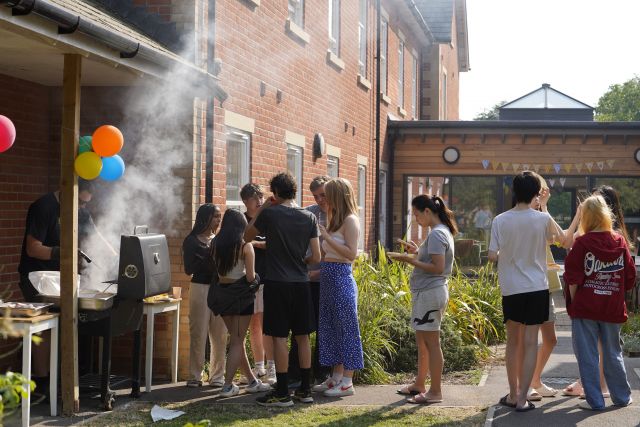
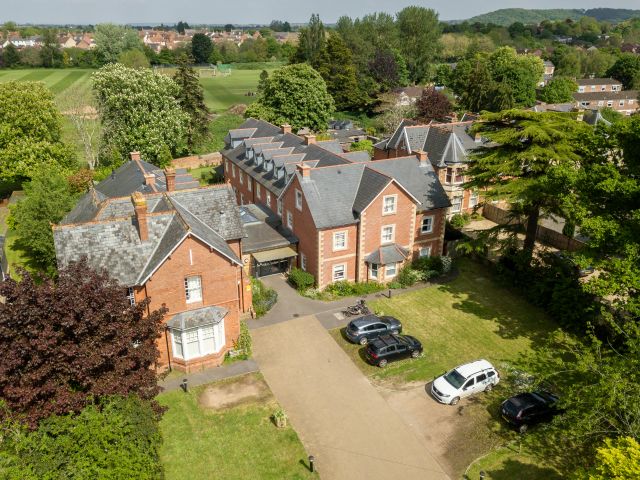


Additional Information
CIS Coordinator: Roz Abbott
Human Resources Executive Director: Steve Chattell
Ages: 16-19
Accreditation/Affiliation: BSA
Language(s): English
School Types: Sixth Form
Tuition:
State Funded
Financial Aid:
NA
Enrollment: Yes
School Setting:
State Sixth Form College
School Schedule (Hours in Day): 9am - 4:40pm
School Size: 2000
Classroom Size: 25-30
Student/Teacher Ratio: 1 Class Teacher
Curriculum:
A Level/ Vocational Level 3
Level 2 Pathway/ GCSE
Percentage of Graduating Class: 99% pass rate
Support Services:
Mental Health and Wellbeing Team
Learning Support Team
Extracurricular Activities: College EnRich Programme - https://www.huish.ac.uk/student-information/enrichment/
Uniform Guidelines:
Non-School Uniform
Admissions Requirements:
The entry requirements for a Level 2 Pathway are a GCSE profile of mainly grade 3s including Mathematics and English Language.
The entry requirements for a Level 3 A Level or Mixed programme are at least five GCSEs at grade 9 to 4, including Mathematics and English Language. For a Triple Vocational qualification a Vocational Level 2 qualification at grade merit or above can be accepted in place of one GCSE. Some courses have higher requirements; these will be discussed with you at your Advice and Guidance meeting and your enrolment appointment and are listed on the course pages.
Admissions Deadline: September 1st
Mission Statement:
Our mission is to provide a transformative and enriching education through a culture that empowers independence, inspires curiosity, and nurtures critical thinkers to thrive and engage confidently with the world. You can select from over 40 Level 3 courses, progress with our Level 2 Pathway, start a career in Education with an Apprenticeship, or complete an Adult Learning qualification at Huish.
School History:
Richard Huish College was originally formed in the 18th century. It was named after benefactor Richard Huish, a Taunton wool merchant who made his fortune in London. His will, when he died in 1615, provided the main part of the endowment for an educational foundation to be established which eventually grew into Huish’s Grammar School for Boys. This foundation also established Bishop Fox’s School for Girls, in Taunton.
The old Grammar School was erected in 1892 at the back of Grays Alms House, East Street, which is now Sainsburys car park. It was demolished in 1972. The new school was built at South Road, where it is today. The Headmaster in 1900 was R. Humphrey.
Visa Requirement:
https://www.huish.ac.uk/boarding/about-huish-boarding/
We welcome UK and international students. We regularly attract service families in receipt of Continuity of Education Allowance (CEA), and British National (Overseas) (BN(O)s) from Hong Kong, amongst others. All students need to be eligible for EFSA funding
Travel/Living Accommodations: Oak House Boarding - Under 5 Minutes Walk from Main Site
Social Media:
Facebook
Instagram
Notes/School Information:
Both the college and baording facilities are rated Oustnading by Ofsted
In 2024 our boarding facility, Oak House was rated 'Outstanding' in a social care inspection by Ofsted.
"The happy and welcoming atmosphere created by staff radiates throughout the boarding provision. Students very much like staying here and have formed long-standing positive relationships with each other. Students respect and care for one another, valuing each other's differences and positively celebrating diversity. Students said that staying in the boarding house is like being part of one big family".
"Students particularly like that staff treat them with respect and as young adults rather than children. They also appreciate that staff are open to their views and ideas for further development of the college".
Ofsted 2024